

Customer Values
Understanding Today's Grocery Customer
Customers aren't making grocery decisions based on price alone. Today's shoppers are balancing quality, value, health, convenience, and the overall shopping experience. Understanding these priorities can help independent retailers decide what to stock, which services to offer, and where to invest their time and resources.
See reel below.

Quality & Value Matter
Value isn't always about offering the lowest price. Customers also consider product quality, store conditions, customer service, selection, and convenience when deciding where to shop.
FMI – The Food Industry Association, 2025 Shopper Trends:
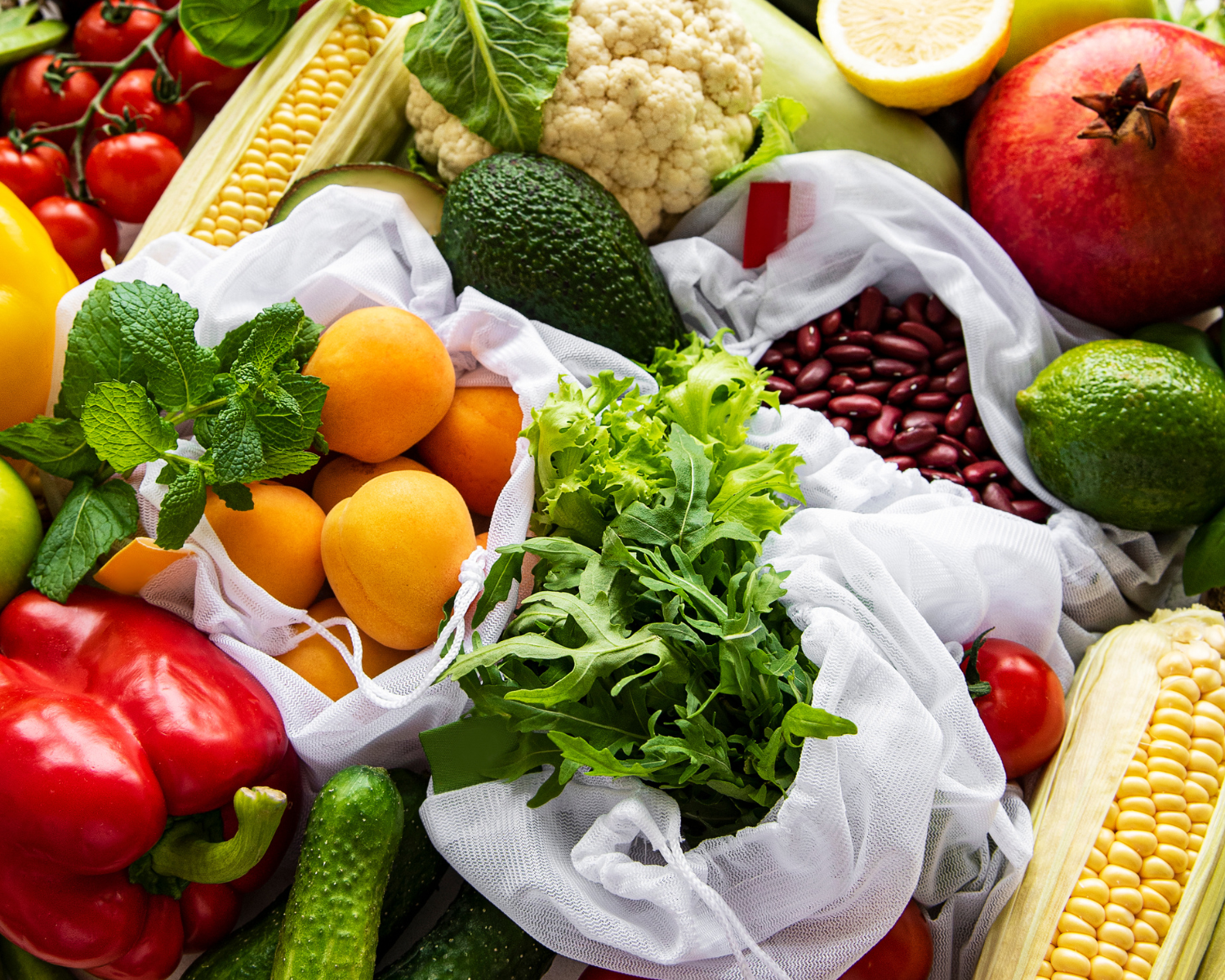
- 69% of shoppers say choosing the best quality is important to how they shop.
- 64% value shopping at stores that align with their values.
- Shoppers choose their primary stores based on a combination of high-quality fresh foods, product selection, and competitive prices.
What Retailers Can Do:
- Maintain consistent product quality
- Keep fresh departments well stocked
- Clearly communicate prices and promotions
- Offer a product mix that reflects your community
- Provide value beyond price through service and convenience
Why It Matters:
Customers may be willing to spend more when they believe they're receiving something valuable in return, whether that's better quality, better service, or an easier shopping experience.
The Shopping Experience Counts
The store itself is part of the product. Cleanliness, friendly employees, helpful service, merchandising, and an easy-to-shop layout all influence how customers perceive value.
FMI – The Food Industry Association, 2025 Shopper Trends:
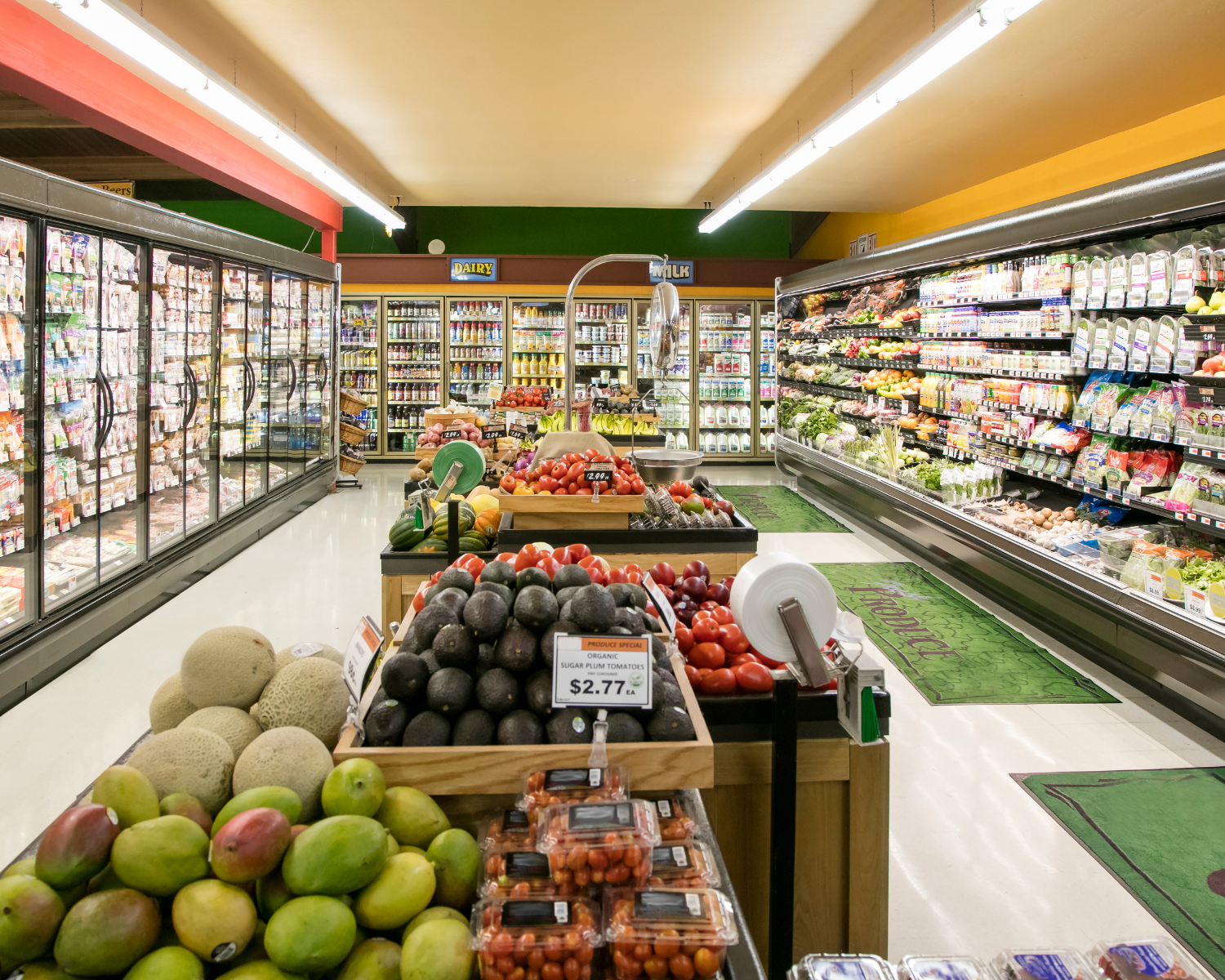
- 60% of shoppers are willing to spend more to shop at a pleasant store.
- 60% say they will go out of their way for good customer service.
- FMI identifies knowledgeable employees, thoughtful product assortments, signage, and merchandising as ways retailers can improve the shopping experience.
What Retailers Can Do:
- Maintain clean and organized departments
- Train employees to provide friendly, knowledgeable service
- Make prices and promotions easy to understand
- Use clear signage throughout the store
- Keep shelves organized and products easy to find
- Listen to customer questions and requests
Why It Matters:
For an independent retailer, the customer experience can be a competitive advantage. Personal service and familiarity can give customers reasons to return beyond price.
Convenience Matters
Convenience is about making grocery shopping and meal preparation easier. Customers may value anything that saves time, effort, or an additional shopping trip.
FMI – The Food Industry Association, 2025 Shopper Trend:
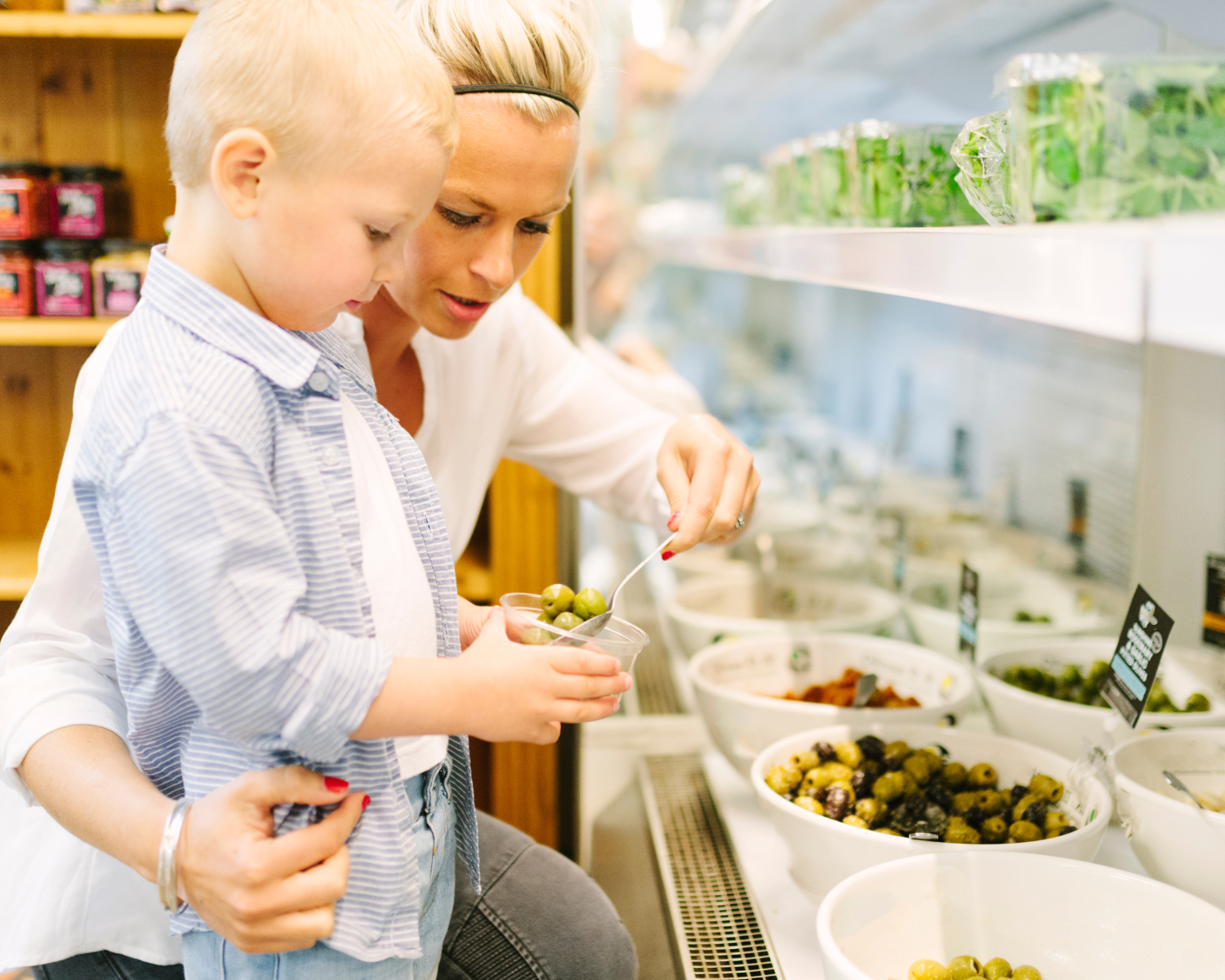
61% of shoppers report being willing to pay more to avoid shopping at multiple stores.
Convenience can include:
- Ready-to-eat meals
- Ready-to-heat foods
- Grab-and-go products
- Prepared deli options
- Easy meal solutions
- Online ordering
- Pickup and delivery
- Having everyday essentials available in one place
Why It Matters:
Convenience is especially valuable when it helps customers accomplish something else—such as eating healthier, spending more time with family, or making dinner after a busy day.
Store Tip:
Think about convenience as more than speed. Ask: “What can we do to make our customers' lives easier?”
Health Continues to Drive Food Choices
Health remains one of the strongest influences on how customers think about food and future spending.
FMI – The Food Industry Association, 2025 Shopper Trend:
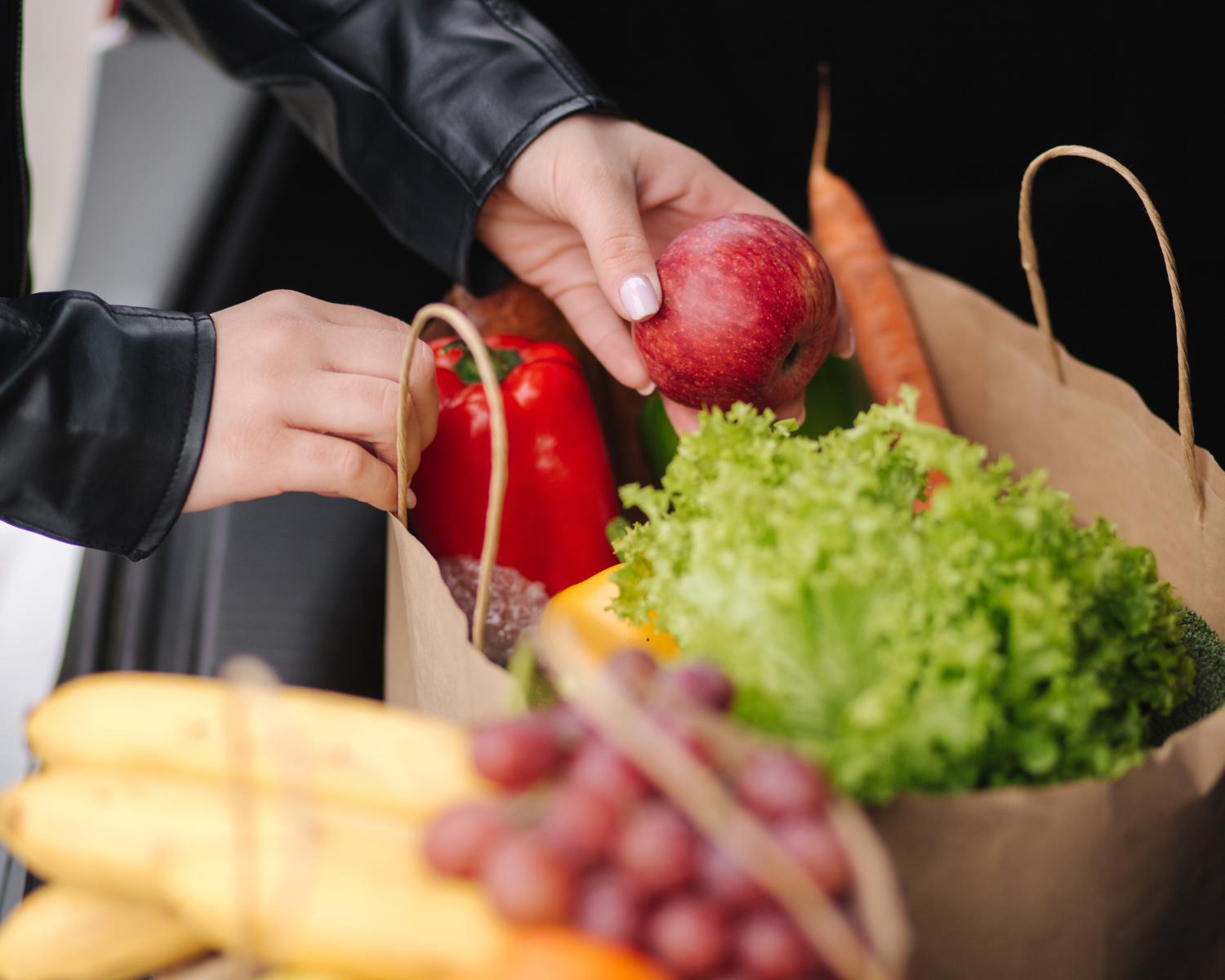
46% of shoppers expect to eat more healthfully in the future.
Customers may look for:
- Fresh fruits and vegetables
- Nutritious meal options
- Fresh meat and proteins
- Products that meet dietary preferences
- Clear product information
- Convenient healthy foods
- Affordable options that support their health goals
Why It Matters:
Customers don't necessarily want to choose between health, convenience, and value. Stores that provide options that address multiple needs can make healthier choices easier for shoppers.
Fresh Foods Can Set Your Store Apart
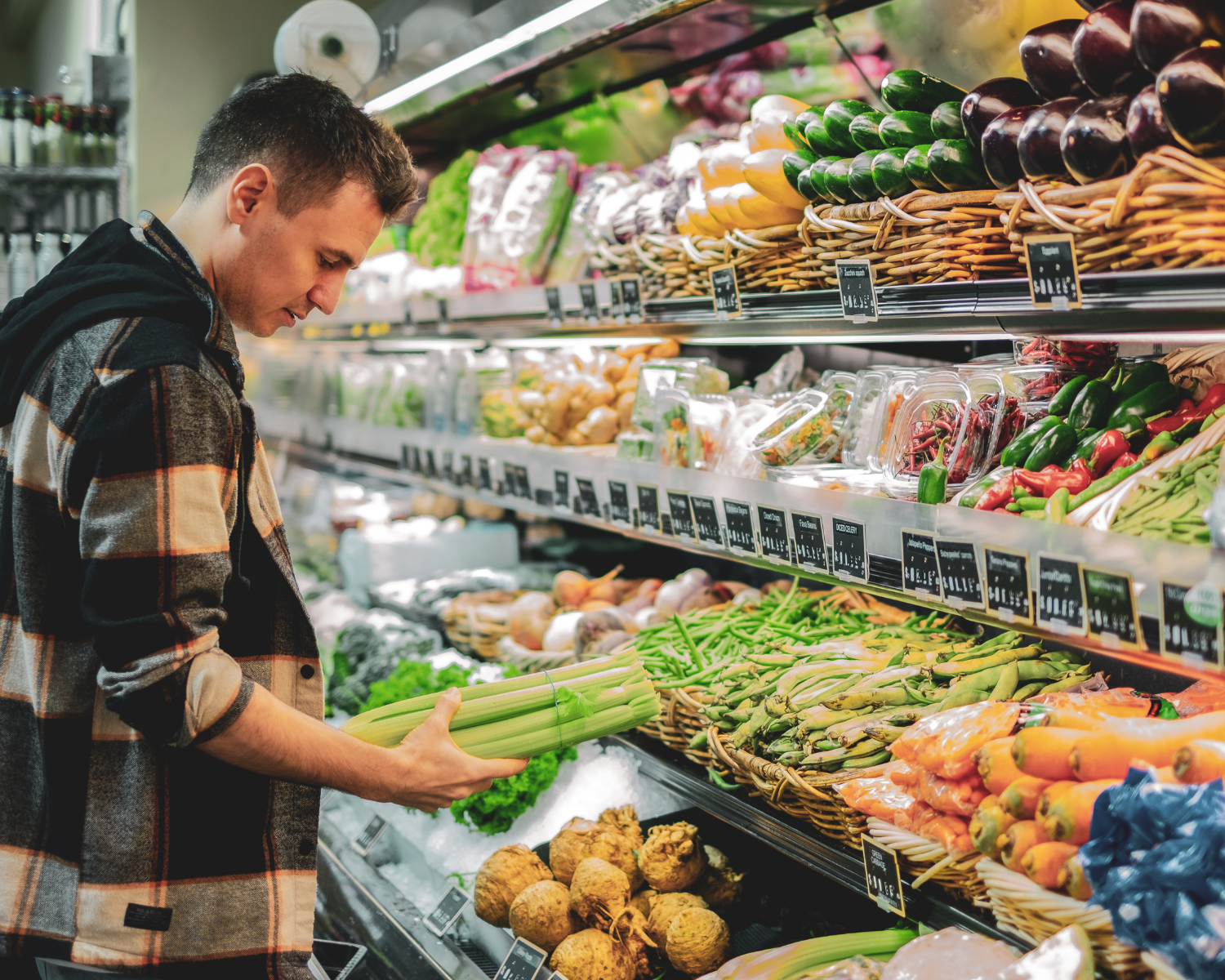
Fresh departments can play an important role in where customers decide to shop. FMI found that shoppers select their primary grocery store based partly on high-quality fresh offerings, along with selection and competitive prices.
Focus On:
- Fresh produce
- Quality meat
- Deli and prepared foods
- Consistent product availability
- Attractive displays
- Freshness and product rotation
Why It Matters:
A strong fresh department gives customers a reason to choose your store, even when they have several other places to buy groceries.
Customers Shop Around
Customer loyalty doesn't necessarily mean customers shop at only one store.
FMI – The Food Industry Association, 2025 Shopper Trend:
The average shopper engages with more than five different retail banners each month.
Supermarkets remain the most frequently used grocery channel, but customers increasingly divide their purchases among supermarkets, mass retailers, club stores, specialty stores, online retailers, and other options.
Why It Matters:
Independent stores are competing for a share of the customer's grocery spending, not necessarily every purchase.
What Retailers Can Do:
- Identify what your store does particularly well
- Keep important everyday products available
- Develop strong fresh departments
- Provide personalized customer service
- Carry products that reflect local preferences
- Give customers a reason to include your store in their regular routine
Online Grocery Is Here to Stay
In-store shopping remains important, but online grocery shopping has become a regular part of how many households purchase food.
FMI – The Food Industry Association, 2025 Shopper Trend:
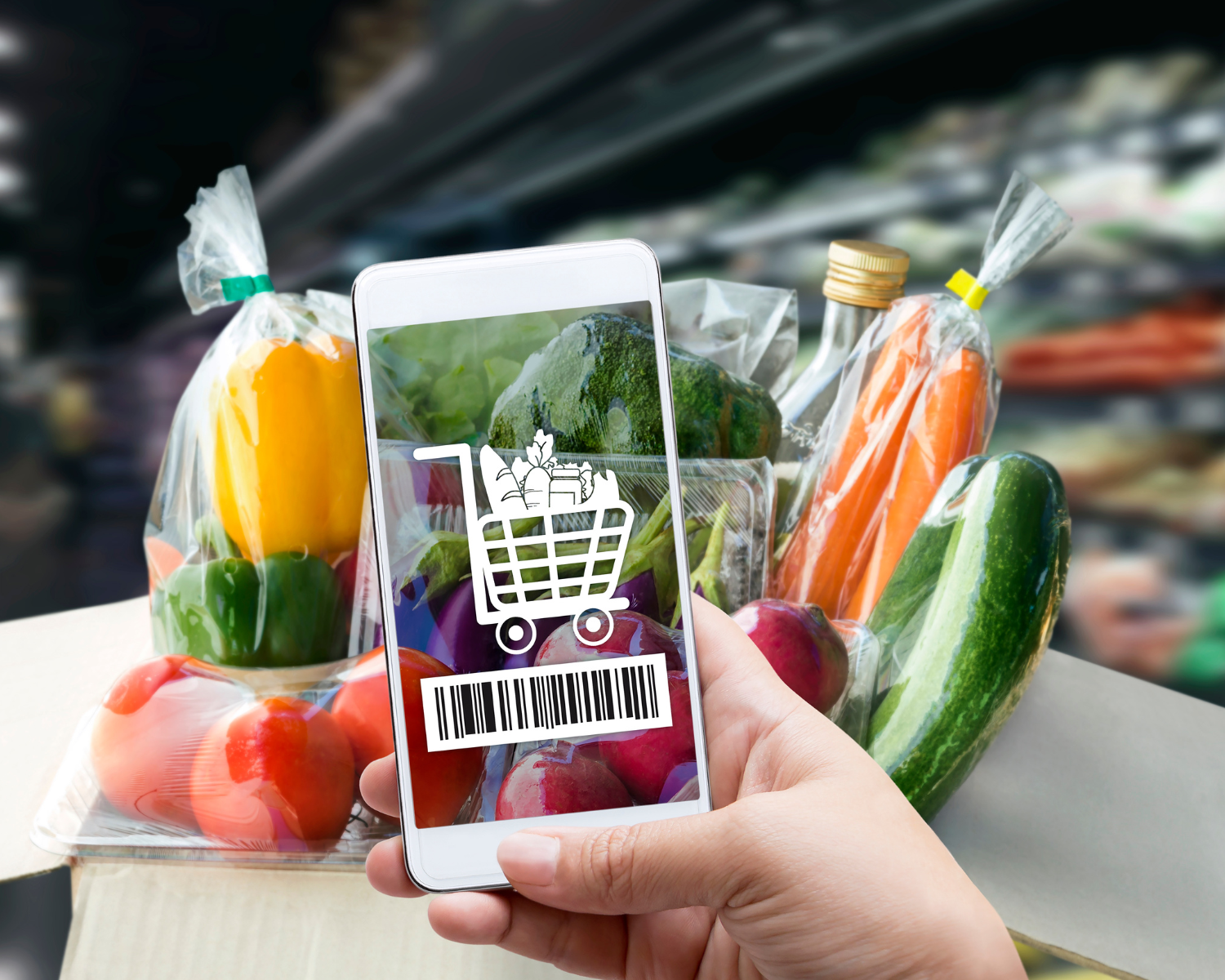
Two-thirds of shoppers use online grocery shopping at least occasionally.
Customers may move between:
- In-store shopping
- Online ordering
- Curbside pickup
- In-store pickup
- Home delivery
Why It Matters:
Customers increasingly expect flexibility. Even stores that don't offer every digital service can make the shopping experience easier by keeping store hours, product information, promotions, and contact information accurate and accessible online.
Loyalty Programs & Lasting Connections
Customers continue to use loyalty programs and digital specials as part of planning and managing their grocery spending.
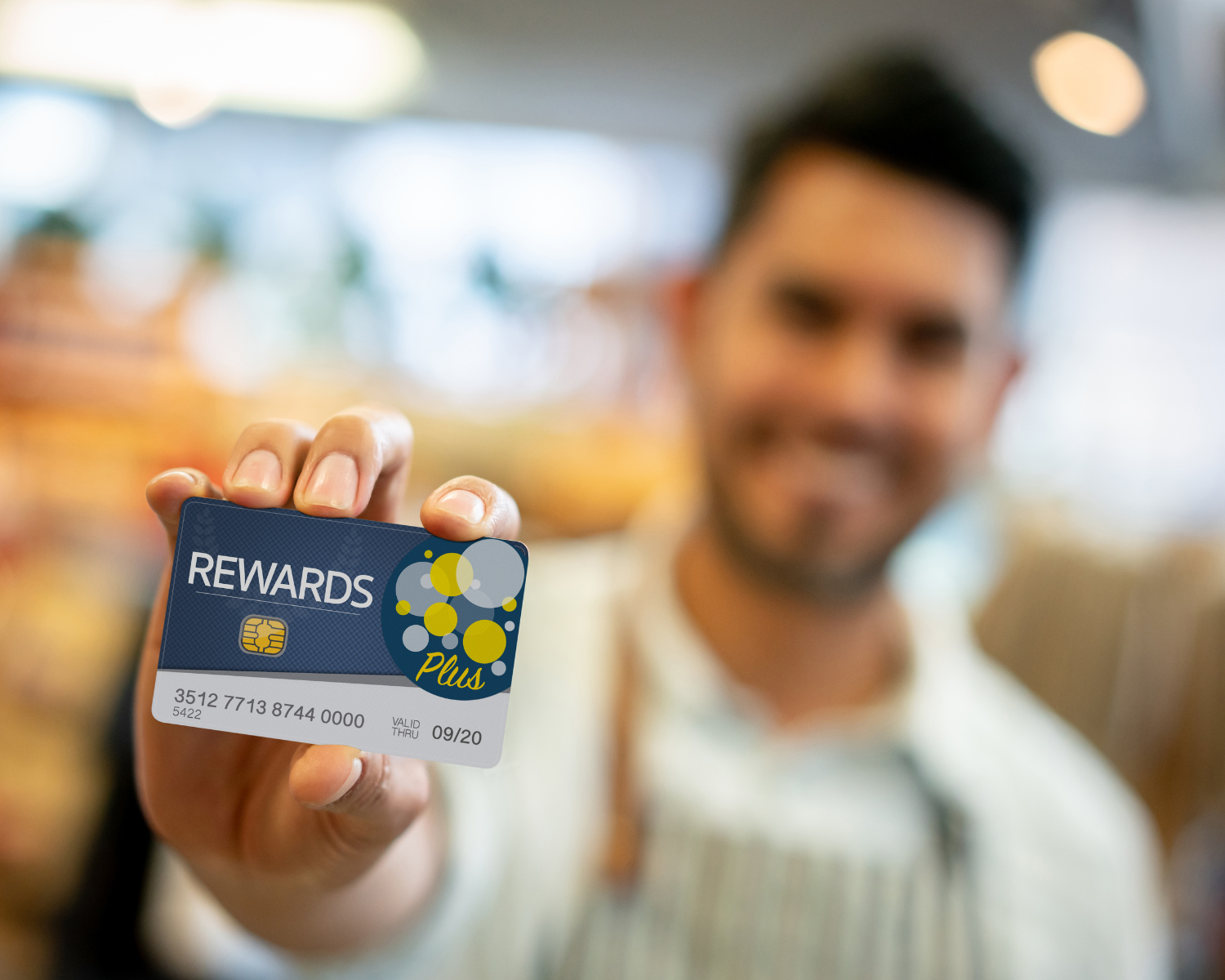
A successful loyalty program should be:
- Simple: Customers understand how it works.
- Valuable: Rewards provide a meaningful benefit.
- Easy: Signing up and using rewards isn't complicated.
- Relevant: Promotions reflect what customers actually purchase.
- Consistent: Customers know what to expect.
Benefits for Retailers:
- Encourage repeat visits
- Reward regular customers
- Understand purchasing patterns
- Identify popular products
- Promote relevant specials
- Strengthen customer relationships
Why It Matters:
Loyalty programs aren't only about discounts. They can help retailers better understand what their customers buy, what they value, and what may bring them back.
Know Your Customer
There isn't one "typical" grocery shopper. Age, household size, income, lifestyle, culture, and community can all influence how people shop.
FMI found that Gen Z, Millennials, parents, and higher-income shoppers are particularly willing to pay for convenience, quality, and experience. (FMI – The Food Industry Association, 2025)
Independent retailers can use their connection to their community as an advantage.
Pay Attention To:
- What customers regularly purchase
- Products customers request
- Items that frequently sell out
- Products that aren't moving
- Customer questions and feedback
- Loyalty program activity
- Seasonal and community needs
Store Tip:
Your customers are already telling you what they want through their purchases, requests, feedback, and shopping habits. Use that information to guide decisions throughout the store.
Sources:
FMI – The Food Industry Association. (2025). U.S. Grocery Shopper Trends 2025: The logic of food shopping. FMI - Research Reports