

Operations
Optimize Your Fresh Departments
Fresh departments are often the first areas customers see when entering a grocery store and play a significant role in creating a positive shopping experience. According to The Food Industry Association's (FMI) State of Fresh Foods report, fresh departments accounted for 42% of total grocery sales in 2024, with meat and produce each contributing 11% of total store sales. Well-managed fresh departments not only drive sales but also encourage repeat visits and customer loyalty.
This section of the Food Retail Toolbox provides practical resources to help independent grocery retailers strengthen daily operations, improve product quality, reduce shrink, and create departments that meet today's shopper expectations for freshness, convenience, and value.
Deli & Meat Operations
Deli and meat departments give independent grocery stores an opportunity to stand out through fresh products, convenience, quality, and customer service. Strong department management can also help control product loss and keep high-demand items available.
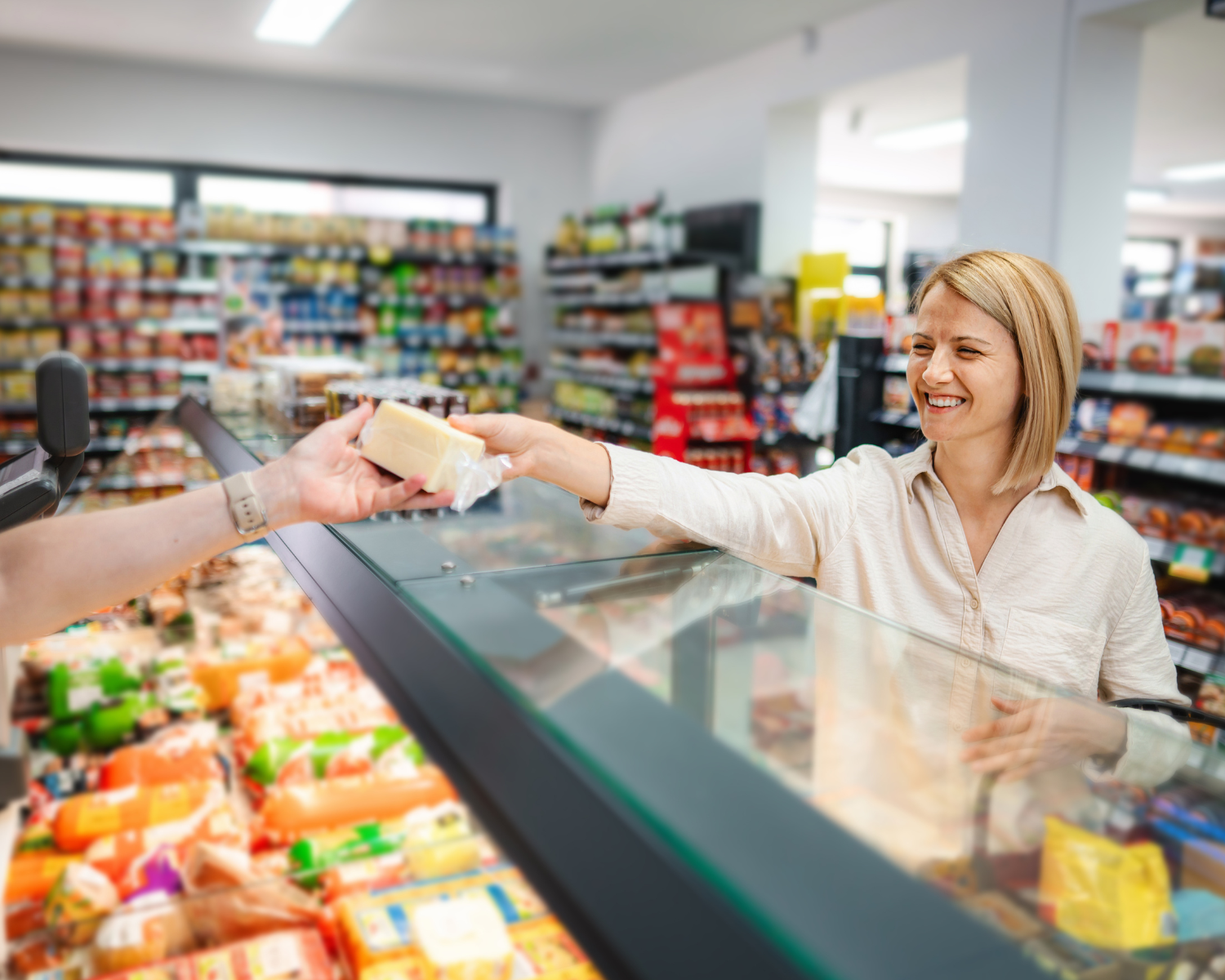
Focus on:
- Food Safety: Follow proper cooking, cooling, holding, cleaning, and sanitation procedures.
- Temperature Control: Regularly check coolers, cases, and product temperatures to protect food quality and safety.
- Inventory Rotation: Rotate products based on dates and condition to reduce spoilage and unnecessary shrink.
- Production Planning: Use sales patterns to determine how much deli food to prepare and when to prepare it.
- Meat Management: Monitor cuts, weights, yields, packaging, labeling, and pricing for variable-weight products.
- Merchandising: Keep displays clean, organized, stocked, and easy for customers to shop.
- Customer Service: Train employees to answer questions, recommend products, and provide the personal service independent stores are known for.
Keep in Mind: Refrigerated foods requiring temperature control should generally be held at 41°F or below, following applicable food-safety requirements.
FMI – The Food Industry Association 2025 Insight: The meat department generated $104.6 billion in sales in 2024, making it the largest perimeter department by sales.
Produce Operations
Fresh produce can have a major influence on how customers view the freshness, quality, and overall appearance of a grocery store. Because fruits and vegetables have different storage and handling needs, good produce management starts before products ever reach the display.
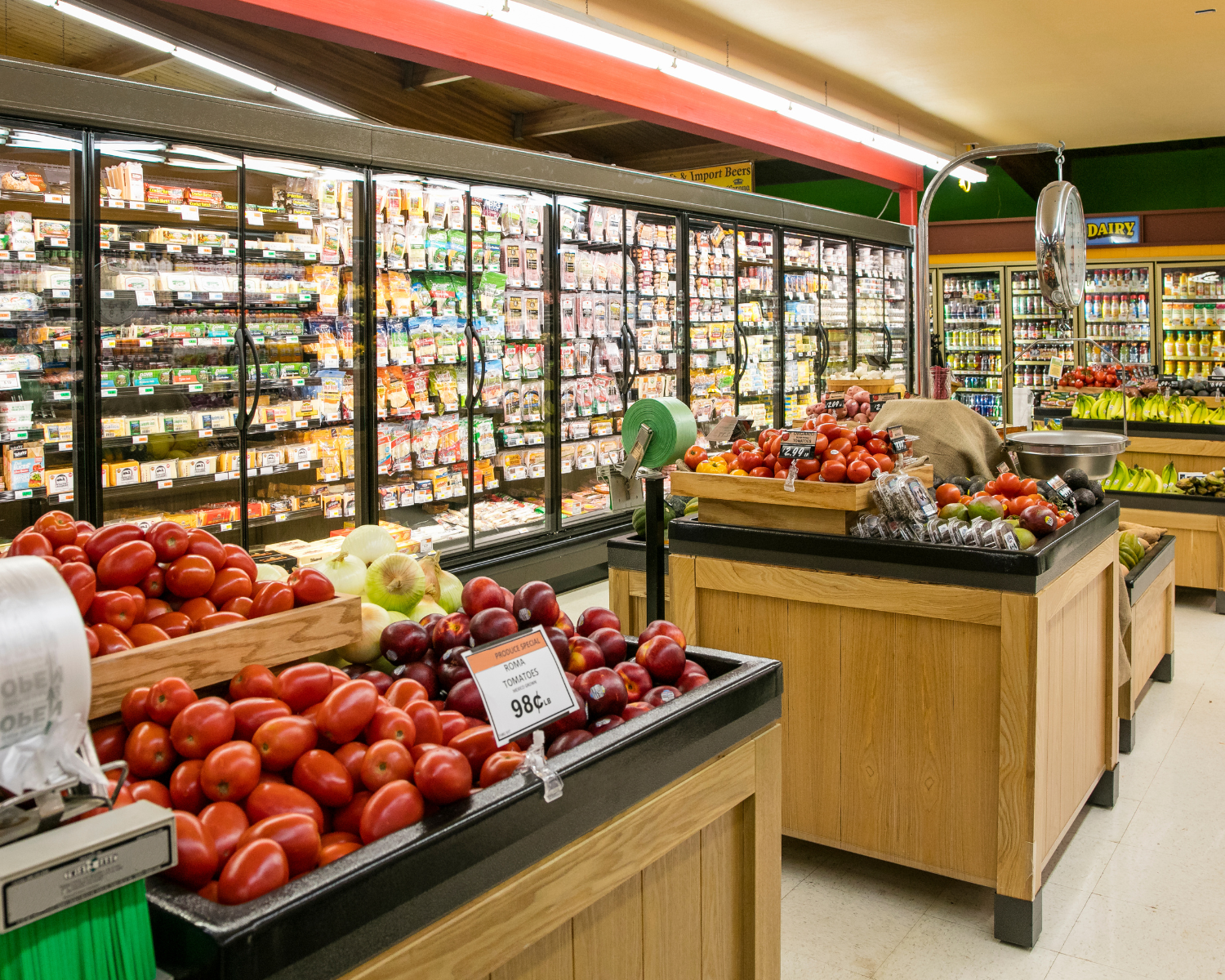
Focus on:
- Receiving: Inspect deliveries for quality, condition, temperature, damage, and other signs that products may not meet store standards.
- Proper Storage: Store products under the conditions appropriate for each fruit or vegetable.
- FIFO Rotation: Use First In, First Out practices so older inventory is sold before newer deliveries.
- Daily Quality Checks: Remove damaged, spoiled, or poor-quality products before they affect the rest of the display.
- Display Management: Keep displays clean, organized, attractive, and appropriately stocked.
- Ordering: Use sales history, seasonality, promotions, and shelf life to determine how much product to order.
- Shrink Control: Avoid overordering and monitor which products are regularly being marked down or discarded.
Produce Tip: Not every fruit and vegetable should be stored the same way. For example, some fruits produce ethylene gas, which speeds ripening and can cause nearby ethylene-sensitive produce to deteriorate faster.
Floral Operations
Floral can turn a small section of the store into an additional sales opportunity. Flowers and plants can support impulse purchases, holidays, celebrations, community events, and seasonal promotions while adding visual appeal to the store.
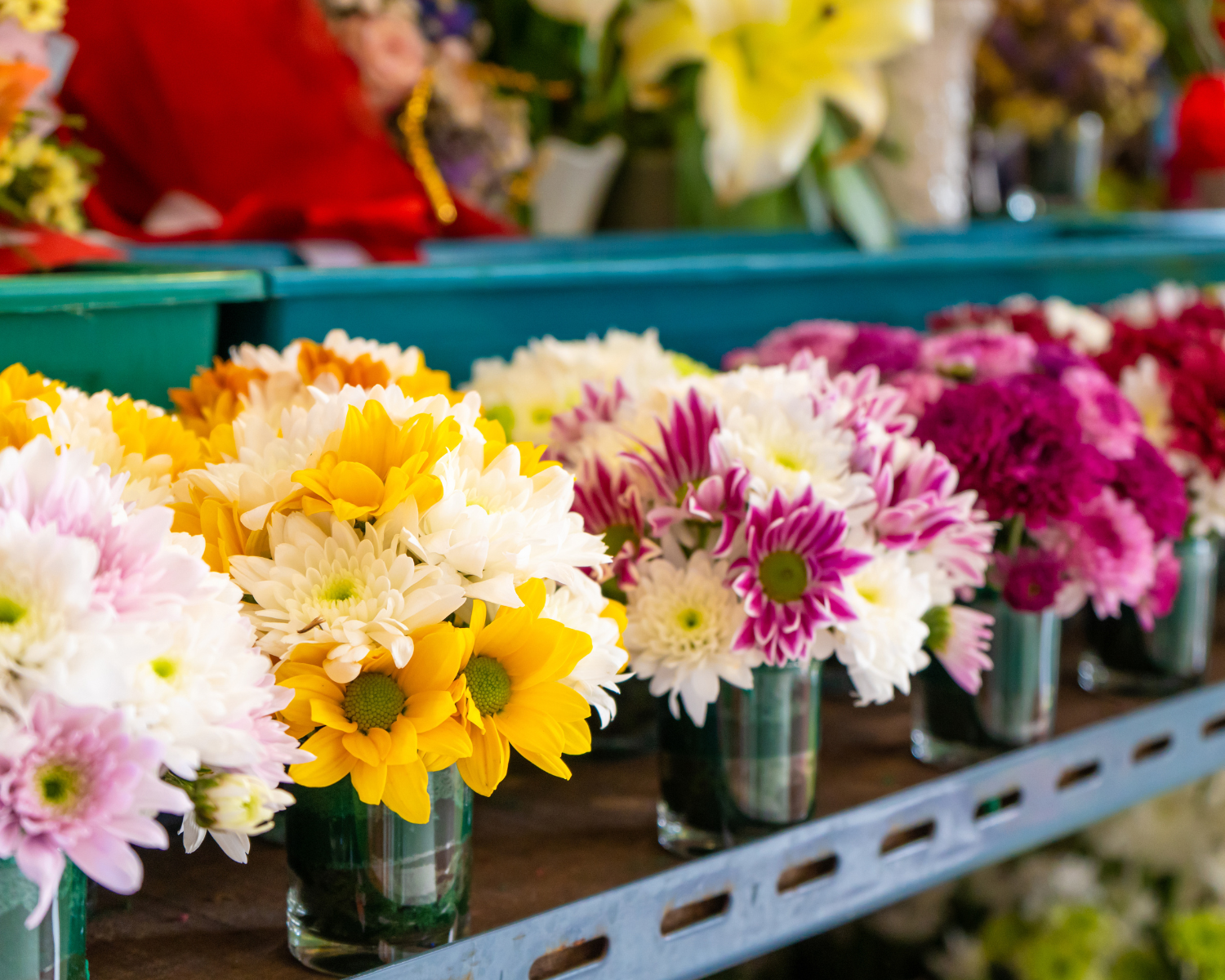
Focus on:
- Product Care: Check flowers and plants regularly for freshness, damage, and overall appearance.
- Inventory: Order according to expected demand and avoid carrying more perishable inventory than the department can sell.
- Seasonal Planning: Prepare for increased demand around holidays, graduations, weddings, school events, and other local occasions.
- Merchandising: Use attractive, easy-to-shop displays to showcase available products.
- Product Rotation: Move older products forward and remove products that no longer meet quality standards.
- Placement: Consider high-traffic areas where floral products are visible to customers making quick or impulse purchases.
Store Tip: Pay attention to your community calendar. Local events and holidays can help determine what to order, how much to order, and when to promote it.
Dairy Operations
Dairy contains many of the everyday staples customers expect to find each time they shop. Effective management is about keeping those products cold, fresh, properly rotated, and consistently available without carrying unnecessary inventory.
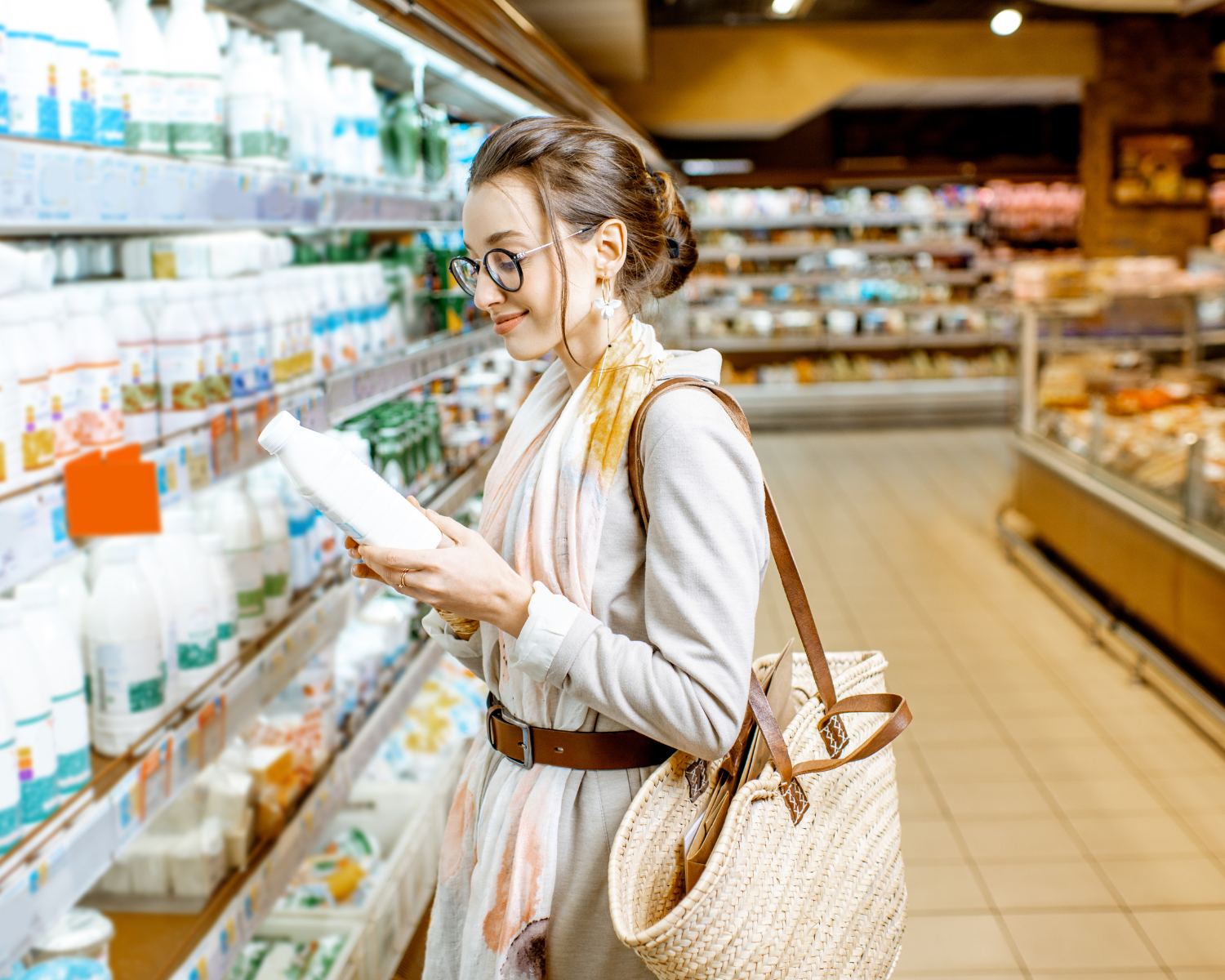
Focus on:
- Temperature Control: Monitor refrigerated cases and storage areas to ensure products remain at safe temperatures.
- FIFO Rotation: Place newer products behind existing inventory so products with earlier dates sell first.
- Date Checks: Routinely check expiration and sell-by dates and remove products that should no longer be sold.
- Stocking: Keep staple products available while avoiding overstocking slower-moving items.
- Inventory Tracking: Monitor unit movement to understand which products sell quickly and which may need smaller orders.
- Cleanliness: Keep shelves, coolers, doors, and storage areas clean and organized.
- Merchandising: Make staple items easy to locate and use complementary products or promotions to encourage additional purchases.
Keep in Mind: FDA guidance calls for refrigerated foods requiring temperature control to be maintained at 41°F or below.
Management Tip: A full shelf is not always an efficient shelf. Use sales and movement data to balance product availability with the risk of expiration and shrink.
Why Fresh Departments Matter
Today's grocery shoppers are looking for stores that help them eat well, balancing health, convenience, exploration, and value in their purchasing decisions. Fresh departments are central to delivering that experience. Maintaining high standards in product quality, merchandising, inventory management, and food safety helps retailers improve operational efficiency while meeting evolving shopper expectations.
FMI – The Food Industry Association, 2025 Fresh Food Facts
- 42% of grocery store sales come from fresh departments.
- Meat and produce each account for 11% of total store sales.
- 77% of shoppers say they put at least some effort into making healthy food choices, reinforcing the importance of offering high-quality fresh foods.
Store Layout
A good store layout does more than make a grocery store look organized. It helps customers find what they need, discover additional products, move comfortably through the store, and have a better overall shopping experience. For independent grocers, even small layout changes can make the store easier to shop without requiring a major remodel.
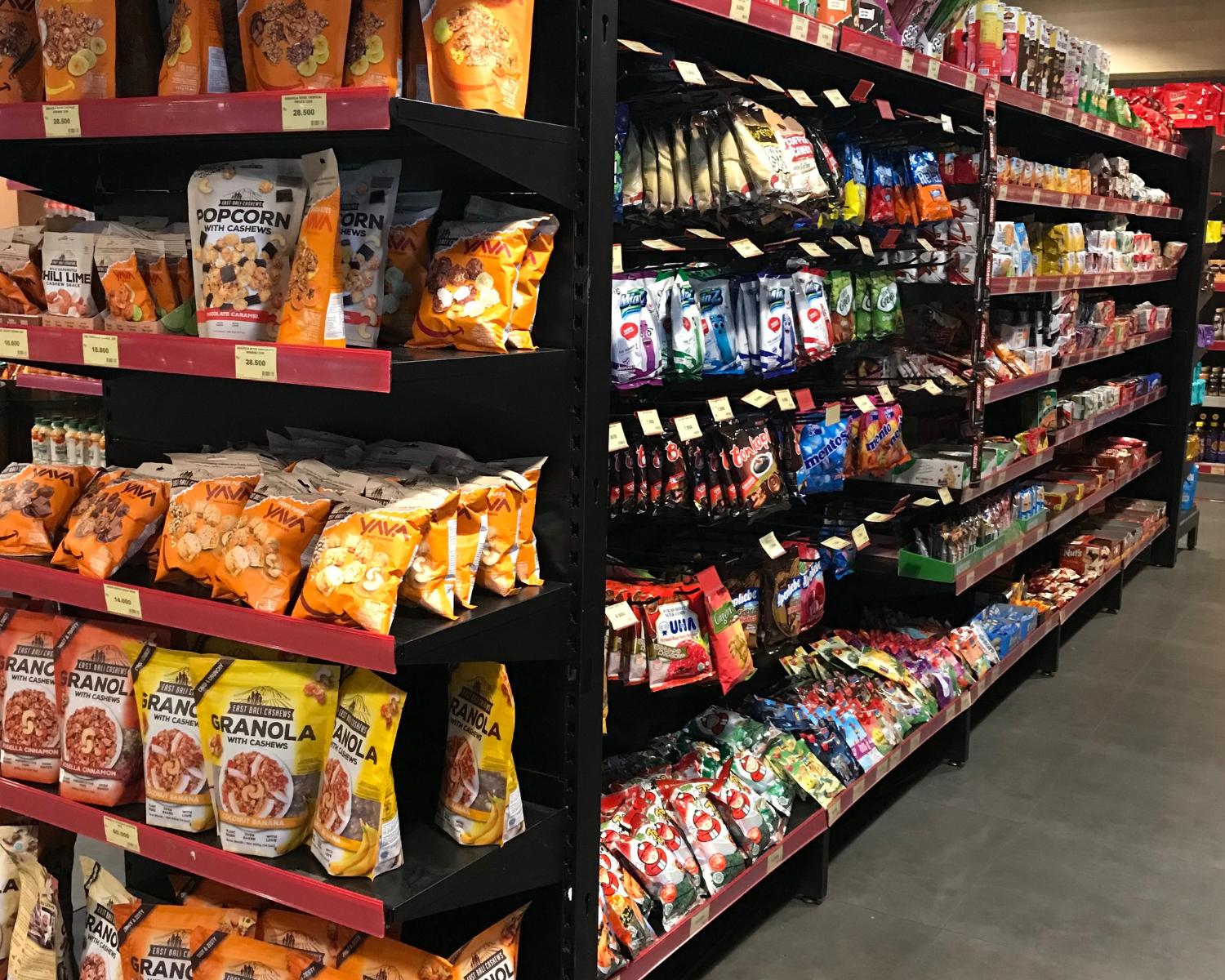
Focus on:
- Clear Pathways: Keep aisles and walkways easy to navigate and free from unnecessary obstacles or displays.
- Department Placement: Organize departments in a way that creates a natural shopping flow and makes everyday essentials easy to locate.
- Product Placement: Keep frequently purchased items in consistent, logical locations so customers can quickly find what they need.
- Signage: Use simple, visible signs to identify departments, aisles, prices, promotions, and important store information.
- High-Traffic Areas: Pay attention to entrances, aisle ends, checkout areas, and other locations customers naturally pass through.
- Cross-Merchandising: Place complementary products near one another—such as chips near salsa, buns near hot dogs, or salad toppings near produce—to make shopping more convenient and encourage additional purchases.
- Fresh Department Visibility: Keep produce, meat, deli, bakery, and other fresh departments clean, organized, and visually appealing.
- Checkout Flow: Keep checkout areas organized and provide enough space for customers to form lines without blocking major pathways.
- Accessibility: Make sure aisles, entrances, displays, and checkout areas can be comfortably navigated by customers with different mobility needs.
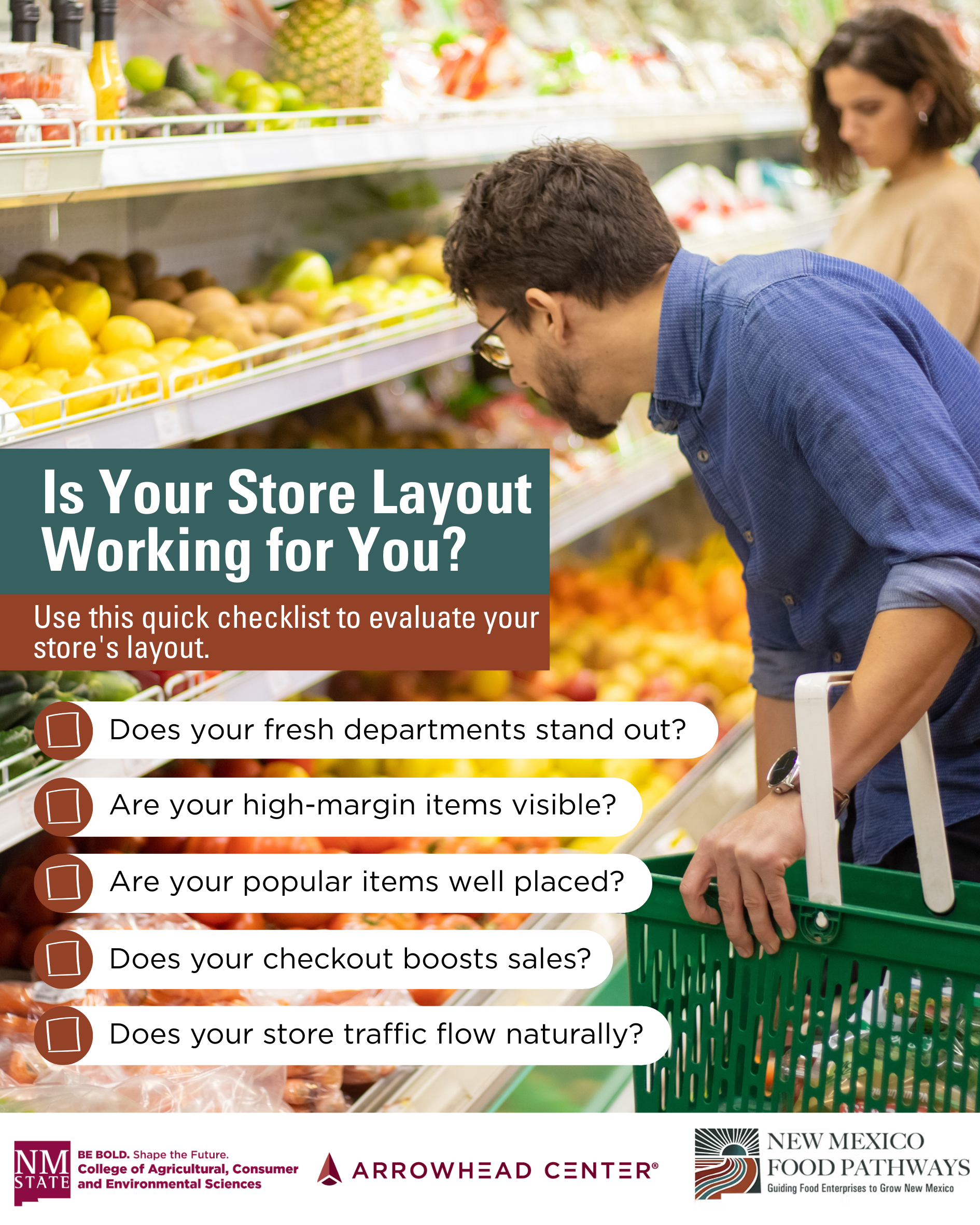
Store Layout Checklist:
Sources:
FMI – The Food Industry Association. (2025). U.S. Grocery Shopper Trends 2025: The logic of food shopping. FMI - Research Reports