

Wholesale Operations in the Grocery Industry
Wholesale in New Mexico
Wholesale companies in New Mexico showcase a significant amount of diversity; certain distributors may be effective for specific businesses while not being suitable for others.

Some examples are:
- C&S Wholesale Grocers
- Sysco
- US Foods
- UNFI
Why it matters:
Finding a wholesaler who can meet your store's needs, align with your product offerings, and consistently keep shelves stocked is essential.
Jargon in Wholesale
In the grocery industry, numerous terms and “jargon” words are specifically related to wholesale operations.
See reel below!
Jargon terms:
Minimum Order Quantity (MOQ)
Definition: The smallest quantity of a product that a supplier requires a retailer to purchase in a single order.
Example: A distributor requires a minimum order of 12 cases of canned tomatoes before shipping the order.
Open to Buy (OTB)
Definition: The amount of money a business has available to purchase new inventory while staying within its budget.
Example: After paying for weekly deliveries, a grocery store has $5,000 in Open to Buy to restock produce.
Case Packs
Definition: The number of individual items packaged together and sold as one case.
Example: A case pack of soup contains 24 cans, so the retailer orders one case instead of individual cans.
Direct Store Delivery (DSD)
Definition: A distribution method where suppliers deliver products directly to the retail store instead of a warehouse or distribution center.
Example: A local bakery delivers fresh bread directly to the grocery store every morning.
Keystone Pricing
Definition: A pricing strategy where the retail price is typically double the wholesale cost, resulting in a 100% markup.
Example: A store buys a jar of salsa for $4 and sells it for $8 using keystone pricing.
Margin/Markup
Definition: Markup is the amount added to a product's cost to determine its selling price. Margin is the percentage of the selling price that remains as gross profit after covering the product's cost.
Example: A product costs $8 and sells for $10. The markup is $2, while the gross profit margin is 20%.
Everyday Low Pricing (EDLP)
Definition: A pricing strategy that keeps prices consistently low rather than relying on frequent sales or promotions.
Example: Instead of offering weekly discounts, a grocery store keeps milk priced competitively every day.
Cost of Goods Sold (COGS)
Definition: The direct cost of purchasing or producing the products a business sells during a specific period.
Example: If a grocery store spends $15,000 purchasing inventory for the month, those costs contribute to its COGS.
Gross Profit Margin (GPM)
Definition: A financial metric that measures the percentage of sales revenue remaining after subtracting the cost of goods sold.
Example: A department generates $100,000 in sales and has $70,000 in COGS, resulting in a 30% gross profit margin.
Key Value Item (KVI)
Definition: Popular, frequently purchased products that customers use to compare prices between competing stores.
Example: Milk, eggs, bananas, and bread are common Key Value Items because shoppers often compare their prices across stores.
Net Terms
Definition: Payment terms that specify when payment is due after products are delivered, such as Net 30 or Net 60.
Example: A supplier offers Net 30, meaning the grocery store has 30 days to pay the invoice after receiving the shipment.
Chargebacks
Definition: Fees charged by suppliers when retailers fail to meet agreed-upon purchasing, shipping, or compliance requirements.
Example: A retailer receives a chargeback because pallets were labeled incorrectly, creating extra work for the supplier.
Delivery in Full, On Time (DIFOT)
Definition: A performance metric that measures whether customer orders arrive complete and by the promised delivery date.
Example: A supplier with a 98% DIFOT score consistently delivers complete orders on schedule.
Delivered Duty Paid (DDP)
Definition: An international shipping agreement where the seller is responsible for transportation costs, import duties, taxes, and delivery until the goods reach the buyer.
Example: A specialty food supplier ships imported olive oil under DDP, so the grocery store pays one agreed-upon price without handling customs or import fees.
Download Ready-to-Print Resources
Bundles and Contracts in Wholesale in the Grocery Industry
Bundling: A Strategy for Convenience and Increased Sales. Bundling involves the combination of products, such as meal kits and snacks, to enhance convenience and boost sales.
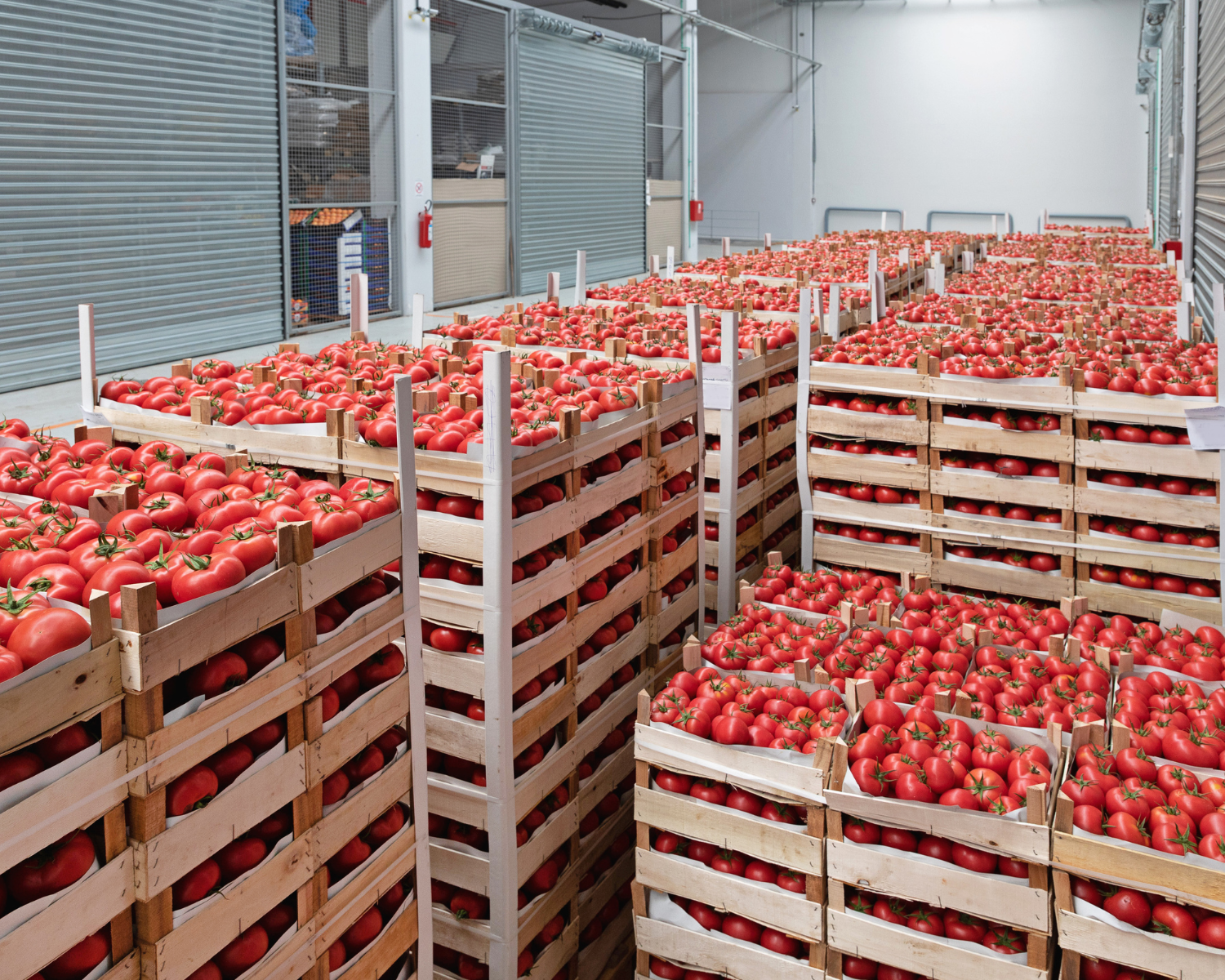
Customers Want:
- convenient options
- Easy to eat meals and snacks
Why it matters:
By prioritizing convenience, store owners can collaborate with various wholesale companies to offer a diverse range of products, ultimately boosting sales.
Navigating Wholesale in the Grocery Industry
To ensure your business thrives, it's essential to establish a solid foundation:
- Identifying a reliable wholesaler for your operations
- Gaining insight into how your business functions and discovering ways to enhance profitability
Exploring various resources and strategies to improve your business and maintain smooth operations
Big vs. Small Wholesale
Finding the Right Wholesale Partner for Your Business. It's crucial to identify a wholesale company that aligns with your business needs. Large and small wholesalers can provide distinct advantages tailored to various requirements.
Things to look for:
- Broad Selections
- Better price options
- Community connection
Why it matters:
Having a strong plan for your business and being successful.
Download Ready-to-Print Resources
Big vs. Small Wholesale Download