

How financial services, customer relationships, and leadership help grocery stores succeed.
Financial Tools for Your Business
Operating a grocery store requires ongoing investments in inventory, equipment, refrigeration, technology, and facility improvements. Access to financing allows retailers to make these investments while maintaining healthy cash flow.
SBA Microloan
Designed for businesses with smaller funding needs. Microloans are commonly used to purchase inventory, equipment, supplies, or provide working capital, making them a great option for startups and independently owned grocery stores.
SBA 7(a) Loan
The SBA's most flexible loan program, used to finance inventory, equipment, commercial real estate, business expansion, and working capital. It's ideal for grocery stores looking to grow or invest in their operations.
SBA 504 Loan
Designed for long-term business investments, such as purchasing commercial property, renovating a store, or buying major equipment and machinery. These loans help businesses make large capital improvements.
Download Free Ready-to-Print Resources
Term Loans
- Provide a lump sum that is repaid over a fixed period.
- Commonly used for remodeling, inventory purchases, or business growth.
Equipment Financing
- Helps purchase essential equipment such as refrigeration units, freezers, meat processing equipment, shelving, and point-of-sale systems.
- Allows businesses to spread equipment costs over time.
- Business lines of credit
- Supply chain financing
- Commercial insurance
- Merchant payment services
- Cash flow management tools
Why It Matters
- Helps fund store improvements.
- Supports inventory purchases.
- Makes equipment upgrades more affordable.
- Improves operational efficiency.
- Creates opportunities for long-term business growth.
Financial Services for Customers
Today's shoppers expect convenience, flexibility, and value. Financial services and loyalty programs can make grocery shopping easier while encouraging customers to return. These programs help build stronger customer relationships and can increase both basket size and store loyalty.

Did You Know?
Grocery shoppers continue to prioritize value, convenience, and personalized experiences, making loyalty programs, digital payment options, and excellent customer service valuable tools for independent retailers. (FMI – The Food Industry Association, 2025)Customer Services and Products
Loyalty & Rewards Programs
- Reward customers for shopping consistently.
- Offer personalized coupons, digital discounts, or fuel rewards.
- Provide valuable customer purchasing data that can improve marketing and promotions.
Buy Now, Pay Later (BNPL)
- Allows customers to split purchases into smaller payments.
- Can make larger grocery purchases more affordable.
- May encourage larger basket sizes.
Store Credit Cards
- Offer discounts, rewards, or special financing.
- Encourage repeat shopping.
- Help strengthen customer loyalty.
Why It Matters
- Increases repeat visits.
- Builds customer loyalty.
- Improves customer satisfaction.
- Encourages larger purchases.
- Helps independent grocery stores compete with larger retailers.
New Trends in Grocery Retail
Today's grocery stores are expanding beyond food sales by offering convenient financial and customer services that increase store traffic and create additional revenue opportunities.
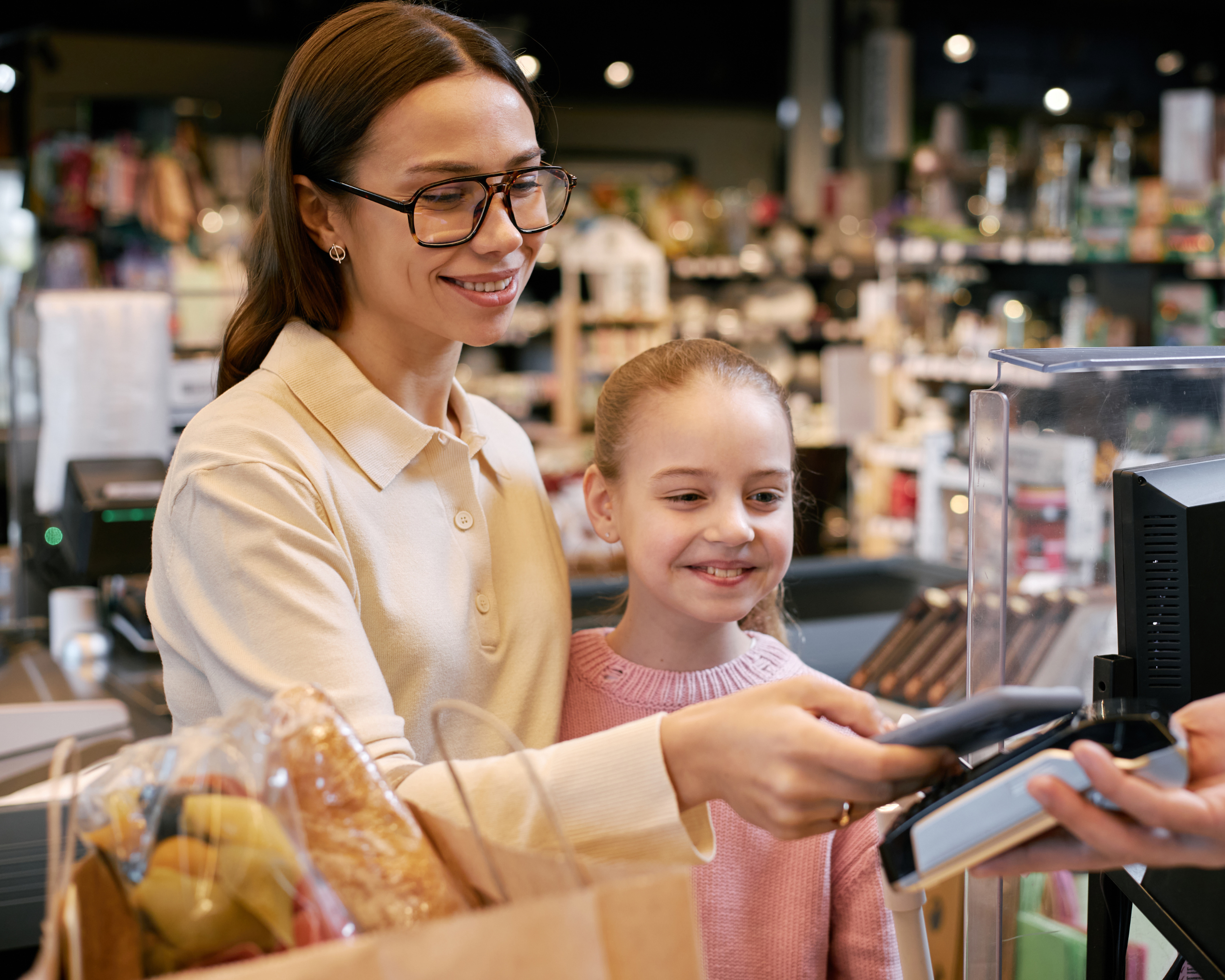
Growing Store Services
Today's grocery shoppers expect convenience, flexibility, and a seamless shopping experience. Many grocery stores are expanding their services by adopting digital tools that make shopping faster, easier, and more personalized.
Store Pickup & Delivery
Customers can order groceries online and choose curbside pickup or home delivery. These services provide added convenience and help stores meet the growing demand for flexible shopping options.
Store Apps
Many grocery stores now offer mobile apps that allow customers to browse weekly ads, create shopping lists, clip digital coupons, place online orders, and manage loyalty accounts—all from their phones.
Digital Payments
Shoppers increasingly expect fast, secure payment options such as tap-to-pay, mobile wallets, contactless credit cards, and digital gift cards. These technologies speed up checkout and improve the customer experience.
Rewards Programs
Digital loyalty programs reward repeat customers with personalized coupons, points, exclusive discounts, and special offers. They also help retailers better understand shopping habits and create targeted promotions.
Why It Matters
- Creates additional revenue streams.
- Improves customer convenience.
- Encourages repeat visits.
- Strengthens customer loyalty.
- Helps independent stores stay competitive.
Managing Your Workforce
Employees are one of a grocery store's greatest assets. Effective human resource management helps recruit, train, and retain employees while supporting a positive workplace culture and improving daily operations.
Did You Know?
Nearly 77% of grocery shoppers say they actively try to make healthy food choices, making knowledgeable employees and well-stocked departments increasingly important.(FMI – The Food Industry Association, 2025)
Recruiting & Hiring
- Finding qualified employees.
- Conducting interviews.
- Onboarding new team members.
Scheduling Staff
- Matching staffing levels with customer demand.
- Managing labor costs.
- Ensuring department coverage.
Training & Development
- Food safety training.
- Customer service skills.
- Department-specific training.
- Leadership development.
Employee Relations
- Resolving workplace concerns.
- Maintaining company policies.
- Supporting employee engagement.
- Promoting workplace safety.
Why It Matters
- Reduces employee turnover.
- Improves customer service.
- Increases employee satisfaction.
- Builds a stronger workplace culture.
- Supports efficient daily operations.
The Role of Store Managers
Store managers oversee daily operations and help ensure the business runs efficiently. They balance employee leadership, customer service, inventory management, and financial performance.
Lead Employees
- Coach and support staff.
- Delegate responsibilities.
- Conduct performance evaluations.
- Build a positive team culture.
Manage Inventory
- Monitor stock levels.
- Reduce inventory shrink.
- Coordinate product ordering.
- Minimize out-of-stock items.
Support Customer Service
- Resolve customer concerns.
- Maintain clean, organized departments.
- Ensure products remain available.
- Promote excellent customer experiences.
Monitor Store Performance
- Track sales and labor costs.
- Review department performance.
- Improve operational efficiency.
- Support business profitability.
Why It Matters
- Improves profitability.
- Reduces waste.
- Increases employee retention.
- Enhances customer satisfaction.
- Supports long-term business success.
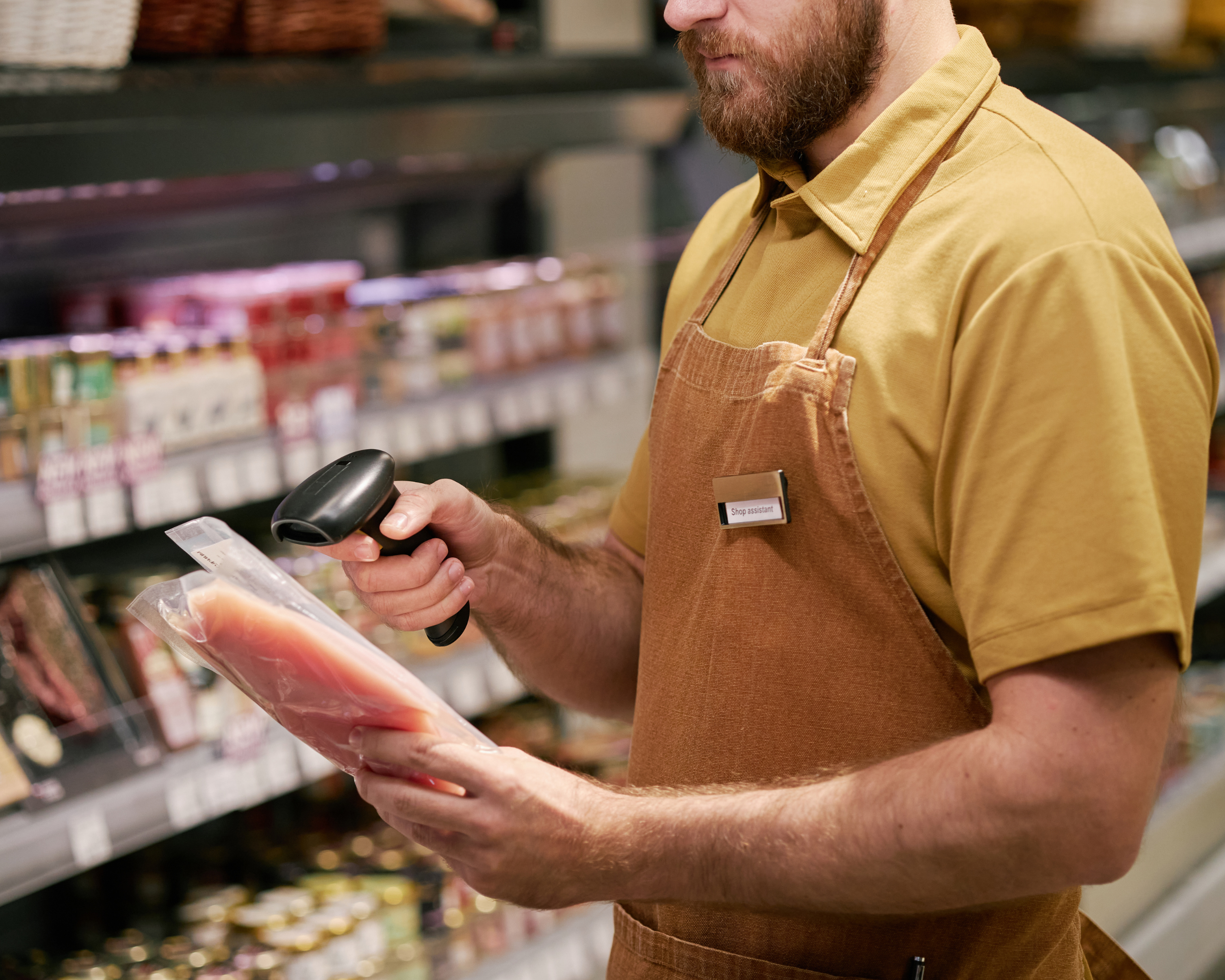
Full-Time vs. Part-Time Employees
Both full-time and part-time employees play important roles in grocery store operations. Finding the right balance helps control labor costs while maintaining excellent customer service.
Full-Time Employees
- Typically work 30–40+ hours per week.
- Average approximately 42 hours worked per week.
- Often eligible for benefits such as health insurance, paid leave, and retirement plans.
- Provide consistency, experience, and department knowledge.
Part-Time Employees
- Work fewer weekly hours.
- Average approximately 22 hours worked per week.
- Offer greater scheduling flexibility.
- Help cover evenings, weekends, holidays, and seasonal demand.
New Mexico Employment Reminder
Both full-time and part-time employees are protected under:
- New Mexico Healthy Workplaces Act
- New Mexico Minimum Wage Act
Employers must comply with state laws regarding earned sick leave, minimum wage, overtime (when applicable), and workplace protections for all eligible employees
Sources:
FMI – The Food Industry Association. (2025). U.S. Grocery Shopper Trends 2025: The logic of food shopping. FMI - Research Reports